Industry Breakdowns · 8-Min Read · 1,838 Words + Interactive Tools · Updated Nov 2026
Which Franchise Industries Are Growing Fastest in the United States?
We ranked all 14 franchise sectors across 12,107 brands and 80,624 SBA loans to separate lasting demographic booms—senior care, home trades, pet, and youth STEM—from fads.
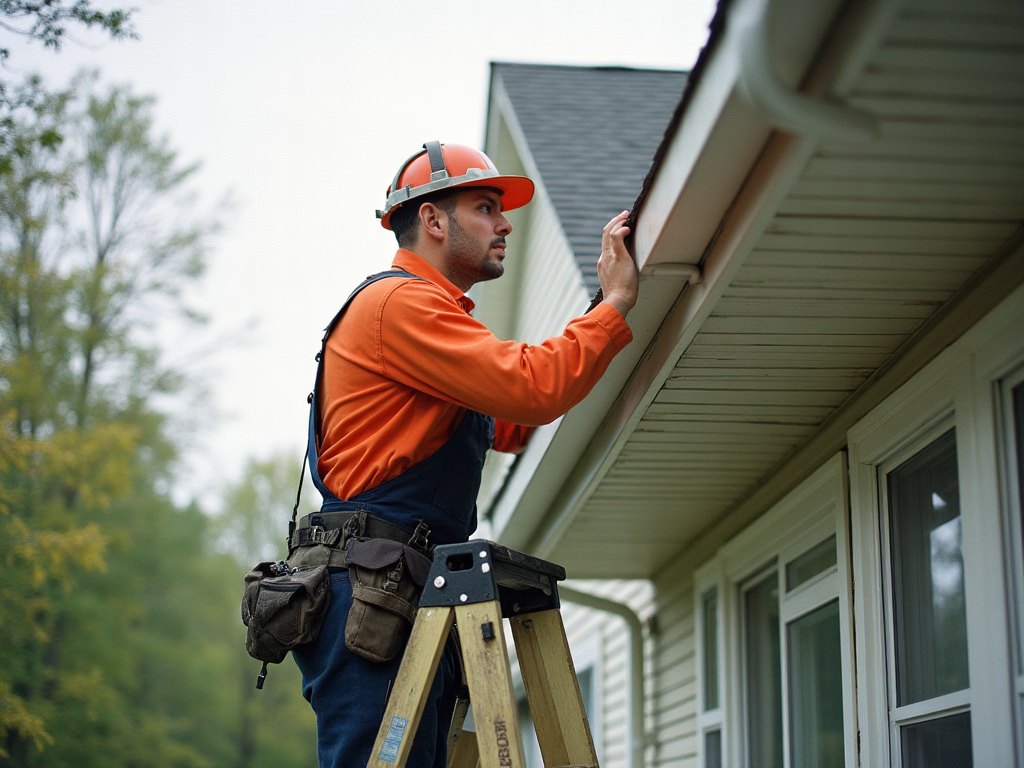
Aging homes, older adults aging in place, and recurring property maintenance lead North American unit growth.
Which U.S. franchise industries are expanding fastest backed by real SBA loan survival?
FranchiseMate matched 80,624 SBA franchise loans from 2010 to 2026 across 13,999 graded brands. Food and quick-serve leads on volume with 20,243 loans, but hotels (2.02% unpaid), kids' education (4.28%), and pet care (5.19%) show the strongest loan survival. Volume shows where money goes; unpaid rates show where loans actually get repaid.
Here are the top 10 franchise categories in America, ranked by SBA franchise loans in our ledger:
Food and hotels: food, coffee and quick-serve (20,243); hotels and real estate (8,160)
Fitness and yards: gyms and wellness (7,314); home and yard (5,650)
Business and kids: B2B and office (5,379); kids and tutoring (5,114)
Cleaning and beauty: cleaning and restoration (4,973); hair, beauty and spa (3,837)
Senior and auto: senior and home care (2,710); auto and truck care (2,655)
Notice the split. Food has 2,251 brands fighting for the same customers and a 7.36% unpaid rate. Gyms sit at 9.26%. Hotels sit at 2.02%, but a rough $6.2M–$19.6M buy-in keeps most Main Street buyers out.
Loan count is a lender-appetite signal, not a promise of unit growth. Still, it's a real paper trail, because banks put money where they expect repayment. Another 3,307 small-cap sleepers (1–65 units, open territory) hide beneath the big names, and you can sort them in the Stock-Style Screener. Every dollar figure here is a rough public estimate that shifts by city, lease, and FDD update.
Why are residential home trades and exterior maintenance outpacing retail storefronts?
Home and yard services hold 663 brands and 5,650 SBA loans, with a 6.16% unpaid rate and a rough $112K–$254K average buy-in range. Cleaning and restoration adds 551 brands and 4,973 loans at 6.17%. Both cost far less than the $365K–$862K typical for food and quick-serve concepts.
Picture a Saturday on Main Street. Lawn crews, pressure washers, gutter cleaners, and water-damage trucks all go to the customer. There's no prime-corner rent and no foot traffic to chase. A retail shop owes a landlord before it sells a single thing.
Here's how home trades stack up against retail and vending, which has 317 brands:
Lower entry cost: $112K–$254K for home and yard versus $181K–$394K for retail
More lender activity: 5,650 loans versus 2,636 for retail and vending
Slightly better survival: 6.16% unpaid versus 6.60%
Repeat work: mowing, cleaning, and seasonal upkeep tend to come around again
Don't overread it. A 6%-plus unpaid rate isn't small, and the gap with retail is modest. Crews quit, weather wrecks schedules, and a neighbor with a truck can undercut your price.
Cleaning brands average a $40,160 Item 5 fee. Before trusting any pitch, read Item 19 earnings claims and Item 20 closures. You can unlock free FDDs and Red-Flag Reports in the Free FDD Vault with 1-click email confirmation.
Data Chart: Lower unpaid charge-off rates signal stronger real-world unit survival when paired with demographic tailwinds. (Illustrative public-record aggregates; verify individual brand figures in the current FDD.)
How is the 65+ 'aging in place' wave fueling non-medical senior home care franchises?
Senior and home care packs 238 brands and 2,710 SBA loans into a rough $111K–$237K average buy-in range, with a $46,787 average Item 5 fee and a 5.77% unpaid rate. That's a lower entry than most storefront concepts, and demand follows a simple trend: the 65+ population keeps growing.
Surveys consistently show most older adults want to stay in their own homes. Non-medical home care fits that wish: meals, rides, bathing help, companionship, and light housekeeping. There's no clinic, no inventory, and no retail build-out. The big spend is people, meaning caregivers.
What the model looks like day to day:
Small footprint: a modest office instead of a storefront lease
Private-pay families: adult children often fund the care, and some clients use long-term-care insurance
Hiring is the battle: finding and keeping caregivers is the daily grind
Rules vary: state licensing differs, so check your state before you sign
Picture an owner in a mid-size town. She's recruiting caregivers, sitting at kitchen tables with worried adult children, and building referral ties with hospital discharge planners and elder-law attorneys. Relationships, not foot traffic, fill her calendar.
Compare 5.77% with gyms at 9.26% or B2B at 8.02%. Lenders have seen this model repay better, though not perfectly. Test your own numbers in the Affordability Calculator, and remember all figures are rough estimates.
Franchise sectors by rough buy-in range and SBA loan unpaid rate, 2
Free FDD & SBA Red-Flag Vault ($0)
Want the state-filed FDD & SBA Default Sheet for any brand?
Skip $99 FDD paywalls. Enter the brand (or budget) and your 5-digit zip code to unlock our Cost, SBA Payback & Red-Flag Report plus the archival state-filed FDD PDF whenever on file.
18,445 State FDD Filings Indexed: 1,750+ full FDD PDFs ready for $0 research.
14 Item-20 Owner Questions: Spot hidden store churn in two minutes.
Specialized single-ticket trades—like power washing, gutters, garage doors, and drywall patch—scale without huge crews.
Test Whether an FDD Item 12 Territory Is Big Enough
Which trendy 'fast-growing' franchise categories carry the highest 5-year burnout risk?
Gyms, Health & Wellness franchises show a 9.26% SBA unpaid rate across 7,314 loans, the highest of any sector in FranchiseMate's ledger. Food, Coffee & Quick-Serve follows at 7.36% across 20,243 loans. Both are crowded, lease-heavy categories where buy-in often runs $252K–$862K, based on rough public averages that vary by city.
Trendy doesn't mean bad. It means the crowd shows up fast. When a boutique fitness or specialty drink concept goes viral, copycats open within a mile, and your rent stays the same while your customer count wobbles.
Burnout usually comes from three places:
Long lease commitments: Studio leases often run five to ten years, so a slow season still brings a full rent bill.
Thin staffing margins: Coaches, baristas, and line cooks quit, and training costs start over.
Fad-cycle churn: Members chase the next hot class the way diners chase the next hot menu item.
Picture an owner who signs a ten-year lease on a 3,000-square-foot studio, then watches two rivals open nearby. That owner isn't lazy. The math just got tight.
Before you sign anything, read the brand's Item 20 closures and transfers. You can unlock free FDDs and Red-Flag Reports in the Free FDD Vault with 1-click email confirmation. These numbers are estimates, not predictions for your location.
How do commercial B2B cleaning and restoration franchises perform when the economy slows?
Cleaning & Restoration brands (551 brands, 4,973 SBA loans) post a 6.17% unpaid rate, with a typical $122K–$218K buy-in and a $40,160 average franchise fee. B2B & Office Services runs higher at 8.02% across 5,379 loans. These are rough public estimates that vary by city, lease, and FDD updates.
No category is historically resilient, and these aren't either. When budgets tighten, office managers cut cleaning visits and delay extras. Restoration work behaves differently, because burst pipes, storms, and kitchen fires don't wait for good news.
Here's what tends to separate steady operators from stressed ones:
Recurring contracts: Monthly janitorial agreements smooth out cash flow better than one-off jobs.
Event-driven work: Water and fire calls depend on weather and on how fast insurance carriers pay.
Customer concentration: Losing one big building hurts far more than losing one small office.
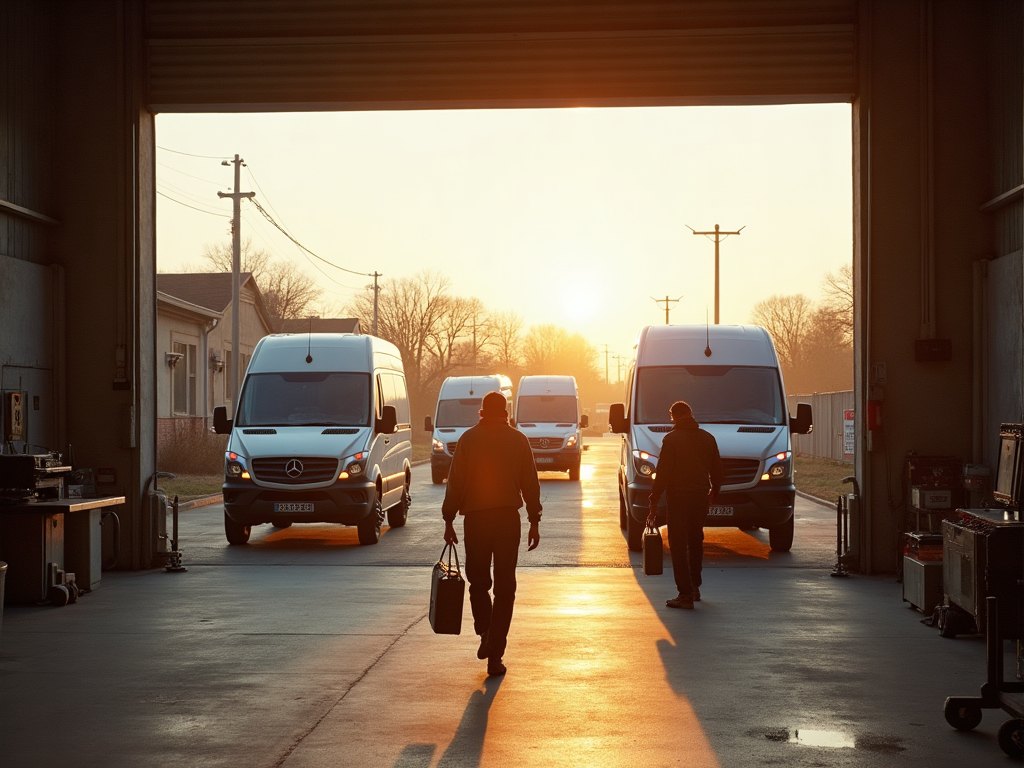
Light overhead: A van and equipment cost less than a storefront lease.
Think of two owners. One cleans twelve small dental and law offices. The other depends on a single 200,000-square-foot tower. When a tenant leaves, the first owner shrugs and the second owner scrambles.
Before you commit, stress-test your own cushion with the Affordability Calculator. Slow payment months are normal in this business, so plan for them.
Why do small-cap 'sleeper' brands (15–65 units) offer better open zip codes than giant chains?
FranchiseMate graded 3,307 overlooked small-cap sleepers, brands with just 1–65 units and open territories, out of 13,999 total entities. Giant chains have often sold their strongest corners already. Smaller brands may still have unclaimed zip codes, but fewer units also means less proof, so it's a real trade-off.
A 5,000-unit brand may already have a location three exits from your house. A 40-unit brand might let you pick the neighborhood, and sometimes the whole county. That kind of protected territory can matter more than a famous logo.
What to check before choosing a sleeper:
Unit age: Look for several locations that have operated three or more years.
Turnover: Item 20 shows how many owners left or sold.
Franchisor staffing: Ask how many people actually support new owners.
Franchisor finances: Item 21 statements show whether the company can survive a slow year.
Small brands can run out of cash, and a thin support team can leave you guessing. That's why you call current owners before you trust any brochure.
Open the Stock-Style Screener and filter by unit count and open territories to build a shortlist. Then pull each brand's FDD and read it side by side.
Rough Sector Snapshot: Buy-In, SBA Unpaid Rate, and Main Watch-Out (Public Estimates; Vary by City and FDD)
Sector
Avg Buy-In Range
SBA Unpaid Rate
Main Watch-Out
Pet Care & Grooming
$282K–$580K
5.19%
Fewer local groomers can mean wait lists, but staffing is tight
Home & Yard Services
$112K–$254K
6.16%
Seasonal swings in weather and demand
Cleaning & Restoration
$122K–$218K
6.17%
Slow insurance payments
Food, Coffee & Quick-Serve
$365K–$862K
7.36%
Rent plus labor costs
B2B & Office Services
$108K–$223K
8.02%
Lost contracts when budgets shrink
Gyms, Health & Wellness
$252K–$561K
9.26%
Long studio leases
How do you match a growing industry to your own local zip code's demographics?
Home & Yard Services (663 brands, 5,650 SBA loans) carry a 6.16% unpaid rate with a $112K–$254K typical buy-in. Senior & Home Care runs 5.77% at $111K–$237K. Which one fits depends on your zip code's homeowners, ages, and incomes, not national headlines. All figures are rough estimates.
Start with four local facts, which are usually free from public census tools:
Median age: Older neighborhoods lean toward home care, while young families lean toward kids' STEM and pet services.
Homeownership rate: Renters rarely hire roofers or lawn crews.
Home values and income: Premium services need households with spare cash.
Competitor count: Search the map. If six similar shops already sit nearby, ask what's left for you.
Here's an example. A suburb full of 40-year-old ranch homes with owners in their seventies may support both senior care and exterior maintenance. A college-heavy zip full of renters probably won't.
Next, request the brand's FDD and check Item 20 for outlets in your region. Then call at least five current owners and ask what a normal month looks like and what surprised them. Their answers beat any glossy sales pitch.
Finally, unlock the FDD and Red-Flag Report free in the Free FDD Vault with 1-click email confirmation, and run the numbers in the Affordability Calculator before you talk to a franchisor.
Educational Research & Estimates Notice (16 CFR Part 436): All startup ranges, SBA loan percentages, fee figures, and calculator outputs in this guide are rough public-record estimates for preliminary education only—not an offer to sell a franchise and not legal, CPA, or investment advice. Always verify current figures in the franchisor’s binding FDD with a franchise attorney and CPA.
Live FranchiseMate Scoreboard · Top-Graded Franchises With Archival FDDs On File
5 Graded Franchises Matching This Guide (Check Open Zip & Unlock FDD)
Public-record estimates from FranchiseMate’s 12,107-brand database; verify all figures in the current FDD.
Check which A-graded franchises & free FDDs are open in your zip code.
Legacy portals only push ~350 ad-paying chains. Enter your 5-digit zip and cash tier to unlock the highest-graded open franchises and archival FDDs in your area.
3 things smart buyers check before wiring a dime
Archival State FDDs ($0): Audit Item 5, 6, 7, 19 & 20 filings without $99 document paywalls.
80,624 Federal SBA Loans: Verify real bank charge-off rates vs. the 3.8% U.S. franchise norm.
Open Territory Leverage: Compare 3 contenders in your zip code before speaking with sales reps.
100% Free Public-Record Guarantee: Zero fee, zero obligation, and zero unsolicited spam—your inquiry only goes to the specific providers you authorize, and 1-click unsubscribe or STOP works anytime.
Enter your 5-digit zip and cash range to check territory availability and unlock our executive FDD & SBA report (+ archival FDD PDF when on file) for $0.