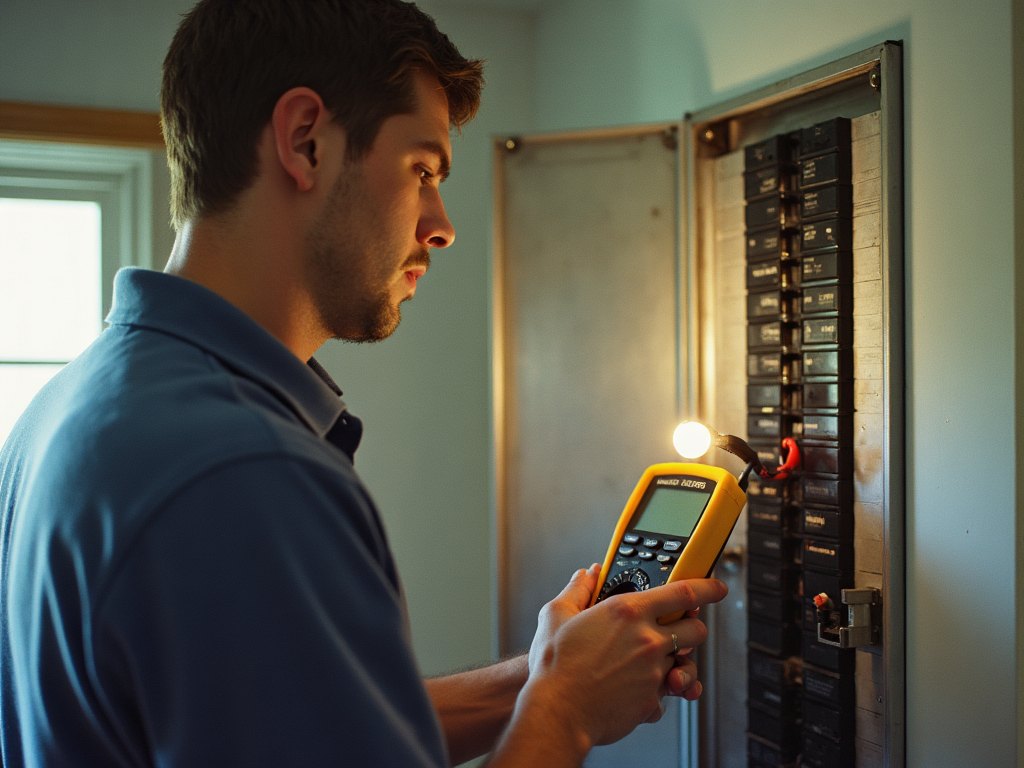
B2B franchises operate Monday through Friday 8-to-5—no fryers, no Sunday night teenager no-shows, and repeat business accounts.
Why do former corporate sales and operations managers gravitate toward weekday B2B franchises?
FranchiseMate grades 1,004 B2B & Office Services brands, with an average buy-in of roughly $108K–$223K and an average Item 5 fee near $38,478. Many can be run from a home office on weekday hours. That appeals to ex-corporate managers who want to sell and manage without nights, weekends, or a storefront lease.
Picture a regional sales manager tired of airport hotels and quarter-end pressure. A B2B franchise lets that person call on offices, clinics, warehouses, and property managers who pick up the phone Tuesday at 10 a.m. Anyone who has run a pipeline already knows the rhythm.
The franchise adds structure: a brand name, a training playbook, and vendor deals. You still do the selling, though. No franchisor hands you customers on a silver platter.
Predictable hours: commercial clients mostly buy Monday through Friday.
Familiar skills: proposals, renewals, and account reviews carry over.
Light overhead: many start with a laptop, a phone, and a vehicle.
Contract-style billing: some models bill monthly, though clients can cancel.
Every dollar figure here is a rough public estimate that varies by city, lease, and FDD updates. Before you fall for any brand, unlock its paperwork in the Free FDD Vault with 1-click email confirmation.
What are the top 6 B2B home-based franchise models—and how do they actually get paid?
Across FranchiseMate's 1,004 B2B & Office Services brands, six home-based models show up again and again: staffing, commercial cleaning, sign and print, business coaching, marketing services, and facility maintenance. Typical buy-ins run $108K–$223K. How you get paid depends on the model: placement fees, monthly contracts, retainers, or project invoices.
Staffing and recruiting: you earn a margin on placed workers' hours or a fee per hire. Payroll timing can squeeze cash.
Commercial cleaning: you win monthly office contracts and keep the spread between client billing and crew cost, after royalties.
Sign, print, and promo: project-based sales to local businesses, with repeat orders if you serve them well.
Business coaching: retainers or per-session fees, built on your reputation.
Marketing services: monthly fees for websites, ads, and review management.
Facility maintenance: service agreements plus per-call repairs.
Notice the pattern. Some income repeats every month, and some is one-and-done. Ask each brand how much of a typical owner's revenue comes from repeat clients, then check whether its Item 19 backs that up. Not every brand offers an Item 19.
Royalties usually come off the top of sales, plus a marketing fee. Your take-home depends on your own costs, not the brand's headline number. Use the Stock-Style Screener to compare fees and unit counts side by side.
Data Chart: B2B franchises trade retail walk-in traffic for Monday–Friday outbound relationship building and sticky commercial accounts. (Illustrative public-record aggregates; verify individual brand figures in the current FDD.)
Why do B2B franchises show an 8.02% SBA unpaid rate—and what separates winners from dropouts?
B2B & Office Services shows an 8.02% unpaid rate across 5,379 loans in the 2010–2026 federal SBA ledger. Cleaning & Restoration sits at 6.17%, and Senior & Home Care at 5.77%. That's roughly 8 of every 100 loans ending unpaid, often tied to slow sales ramps and thin cash cushions.
An unpaid rate is a warning light, not a verdict. It doesn't mean every owner failed, and it doesn't condemn any single brand. It tells you where the ground gets rocky.
Winners sell early: they block out outreach time before launch day and keep calling.
Winners hold cash: they set aside working capital and living expenses for a slow first year.
Dropouts wait for leads: they expect the franchisor to deliver clients.
Dropouts borrow to the ceiling: loan payments outrun their first invoices.
Run your own numbers in the Affordability Calculator, and test a bad first year, not a perfect one. Then call current and former owners listed in Item 20 and ask how long it took to sign client number five.
B2B vs. other franchise sectors: rough buy-in and SBA unpaid benchmarks (FranchiseMate, 2010–2026)
Sector
Brands
SBA Loans
Avg Buy-In Range
SBA Unpaid Rate
B2B & Office Services
1,004
5,379
$108K–$223K
8.02%
Cleaning & Restoration
551
4,973
$122K–$218K
6.17%
Home & Yard Services
663
5,650
$112K–$254K
6.16%
Senior & Home Care
238
2,710
$111K–$237K
5.77%
Food, Coffee & Quick-Serve
2,251
20,243
$365K–$862K
7.36%
Gyms, Health & Wellness
550
7,314
$252K–$561K
9.26%
How long is the B2B commercial sales cycle compared to residential homeowner services?
With a $108K–$223K average buy-in, B2B & Office Services owners often wait roughly 30 to 120 days, a rough estimate, from first call to signed contract. Homeowner services like Home & Yard, at $112K–$254K, may close in a day or a week. Your cash has to outlast the wait.
Why so slow? Commercial deals usually involve more than one decision maker. A office manager likes you, but finance wants three quotes, and legal wants an insurance certificate. A homeowner just wants the lawn fixed by Saturday.
The trade-off is real. Residential jobs close fast but can be small, seasonal, and weather-driven. Commercial deals close slowly but can be larger and may repeat month after month if you keep service tight.
Weeks 1–2: build a target list of local businesses and decision makers.
Weeks 3–6: run intro meetings, site walks, and send proposals.
Weeks 6–16: follow up, handle procurement questions, and close first accounts.
Treat that timeline as a rough planning guide, not a promise. Plan your runway around the slow end, and never assume the first client signs on schedule. Part 2 digs into the startup costs, royalties, and territory rules that decide whether that runway is long enough.
Free FDD & SBA Red-Flag Vault ($0)
Want the state-filed FDD & SBA Default Sheet for any brand?
Skip $99 FDD paywalls. Enter the brand (or budget) and your 5-digit zip code to unlock our Cost, SBA Payback & Red-Flag Report plus the archival state-filed FDD PDF whenever on file.
18,445 State FDD Filings Indexed: 1,750+ full FDD PDFs ready for $0 research.
14 Item-20 Owner Questions: Spot hidden store churn in two minutes.
Be honest with yourself: B2B home franchises reward owners who enjoy picking up the phone and meeting local business owners.
Interactive Tool · 6-Month Working Capital & Family Cushion Planner
Calculate Your Safe Cash Cushion Before Opening Day
Why do recurring B2B contracts produce larger average invoices and stickier 3-year retention?
Across 1,004 B2B & Office Services brands, FranchiseMate shows a rough $108K–$223K average buy-in range and a $38,478 average Item 5 fee. Recurring contracts can mean bigger invoices and longer client relationships than one-off homeowner jobs, but figures vary by city, contract type, and FDD updates.
Picture the difference. A homeowner books a one-time job. A dental office signs a monthly service agreement, and the invoice shows up every month. These are illustrations, not promises, but the pattern holds: commercial buyers pay on a schedule.
Stickiness comes from switching pain. Changing vendors means new badges, new walkthroughs, and new insurance paperwork, and the facility manager has to field any complaints. Once you do the work quietly and well, nobody wants to restart the search.
Written contract terms: Ask whether typical agreements run 12 to 36 months and whether they auto-renew.
Client concentration: If one customer is a quarter of your billings, losing it hurts badly.
Renewal evidence: Ask the franchisor how many accounts renewed last year, then verify it with current owners.
Recurring is not the same as lower-overhead. Pull the brand from the Free FDD Vault with 1-click email confirmation, and read Item 19 and Item 20 for closures, transfers, and what owners actually report.
Contingency cost-reduction consulting vs. tangible commercial services: which is more predictable?
Cleaning & Restoration shows 551 brands, a $122K–$218K average buy-in range, and a 6.17% SBA unpaid rate, versus 8.02% across B2B & Office Services. That gap hints that tangible, scheduled services tend to be more predictable than contingency consulting. It is a different sector, so treat it as a rough clue, not proof.
Contingency consulting means you audit a client's utility, telecom, or freight bills and take a share of the savings you find. If you find nothing, you earn nothing. Even when you win, payment can land months after you start.
Tangible services, like commercial cleaning, maintenance, or signage, are different. The client can see the work, and billing usually follows a monthly rhythm. Your costs are higher because of labor and supplies, but your cash timing is easier to forecast.
Contingency model: Lower overhead, lumpy income, long waits for the first check.
Tangible model: Steadier billing, more payroll and insurance to manage.
Hybrid models: Some brands add a small retainer to a savings share. Read that fee structure closely.
Whichever you favor, run a slow first six months through the Affordability Calculator. If your household budget breaks when the first invoice is late, the model is too thin for you.
How do you prospect local CFOs, property managers, and facility directors in Months 1 to 6?
FranchiseMate tracks 1,004 B2B & Office Services brands, and in most of them you will open doors yourself. A workable Months 1 to 6 plan is simple: build a list of about 100 local targets, make steady weekly touches, and track meetings booked. Treat all targets as rough benchmarks, not guarantees.
Each buyer cares about something different. CFOs want lower costs and fewer surprises. Property managers want fewer tenant complaints and reliable vendors. Facility directors want things working, on time, with no drama.
Lead with their problem, not your franchise name. "Who handles your after-hours cleaning, and how's it going?" beats a brochure every time. Then ask for a short walkthrough, not a sale.
Months 1–6 B2B Prospecting Action Plan (Rough Targets)
Window
Main Focus
Rough Weekly Target
Month 1
Training, target list, scripts
Build 100-name list; 10 practice calls
Month 2
Cold calls and walk-in drop-bys
20–30 outreach touches
Month 3
Follow-ups, first walkthroughs
2–4 meetings booked
Month 4
Proposals and referral asks
2 proposals sent
Months 5–6
Close, onboard, request intros
Review pipeline; adjust list
What cold-outreach honesty check should you take before buying any B2B home-office franchise?
B2B & Office Services buyers face a $38,478 average Item 5 fee and a $108K–$223K average buy-in range, so spend one weekend on an honesty test first: make 25 real cold calls or emails and note how you feel. Dollar figures are rough public estimates and vary by city, lease, and FDD updates.
This costs nothing, and it tells you more than any brochure. If hearing "no" ten times in a row makes you want to quit, a B2B franchise will be a long road. If you shrug and dial the next number, that's a good sign.
Pick a related service: Call local offices and ask who handles their cleaning, IT, or supplies.
Count real conversations: Note how many reached an actual decision-maker.
Track your reaction: Did rejection sting for a minute or ruin your day?
Call five owners: Pull their names from Item 20 and ask how long it took to land the first contract.
Next, compare brands side by side in the Stock-Style Screener. Then unlock the free FDD and Red-Flag Report right here on FranchiseMate with 1-click email confirmation. If the numbers and your call results still agree, you're buying with your eyes open.
Educational Research & Estimates Notice (16 CFR Part 436): All startup ranges, SBA loan percentages, fee figures, and calculator outputs in this guide are rough public-record estimates for preliminary education only—not an offer to sell a franchise and not legal, CPA, or investment advice. Always verify current figures in the franchisor’s binding FDD with a franchise attorney and CPA.
Live FranchiseMate Scoreboard · Weekday-Hours B2B Franchises
5 Graded Franchises Matching This Guide (Check Open Zip & Unlock FDD)
Public-record estimates from FranchiseMate’s 12,107-brand database; verify all figures in the current FDD.
Check which A-graded franchises & free FDDs are open in your zip code.
Legacy portals only push ~350 ad-paying chains. Enter your 5-digit zip and cash tier to unlock the highest-graded open franchises and archival FDDs in your area.
3 things smart buyers check before wiring a dime
Archival State FDDs ($0): Audit Item 5, 6, 7, 19 & 20 filings without $99 document paywalls.
80,624 Federal SBA Loans: Verify real bank charge-off rates vs. the 3.8% U.S. franchise norm.
Open Territory Leverage: Compare 3 contenders in your zip code before speaking with sales reps.
100% Free Public-Record Guarantee: Zero fee, zero obligation, and zero unsolicited spam—your inquiry only goes to the specific providers you authorize, and 1-click unsubscribe or STOP works anytime.
Enter your 5-digit zip and cash range to check territory availability and unlock our executive FDD & SBA report (+ archival FDD PDF when on file) for $0.