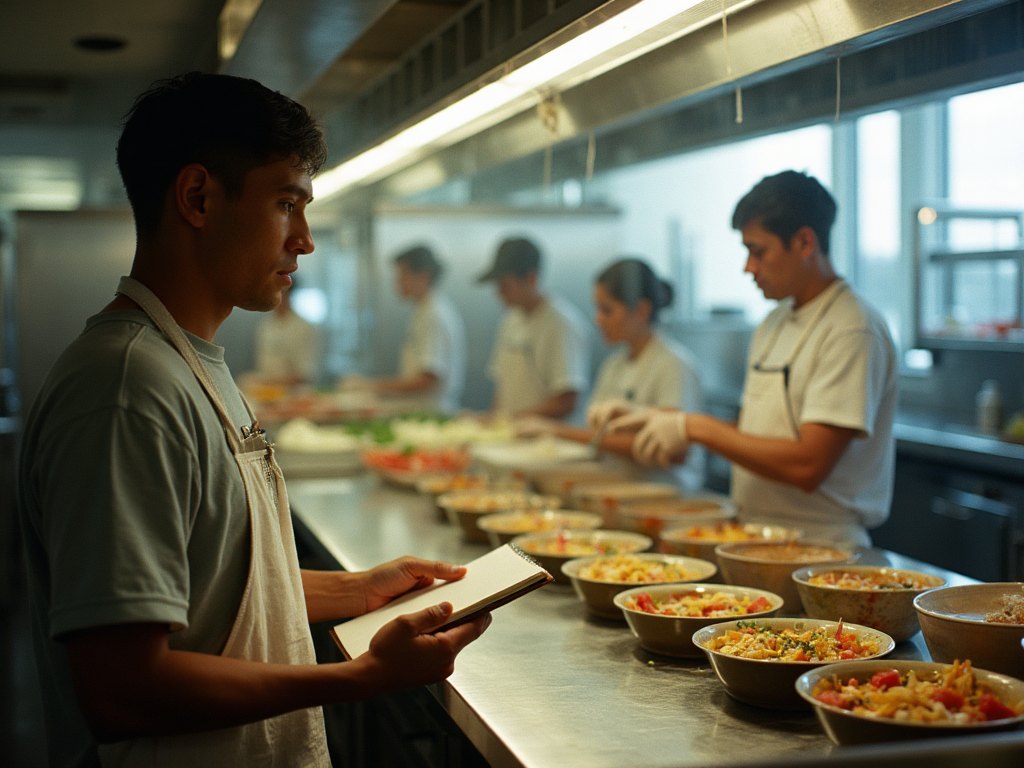
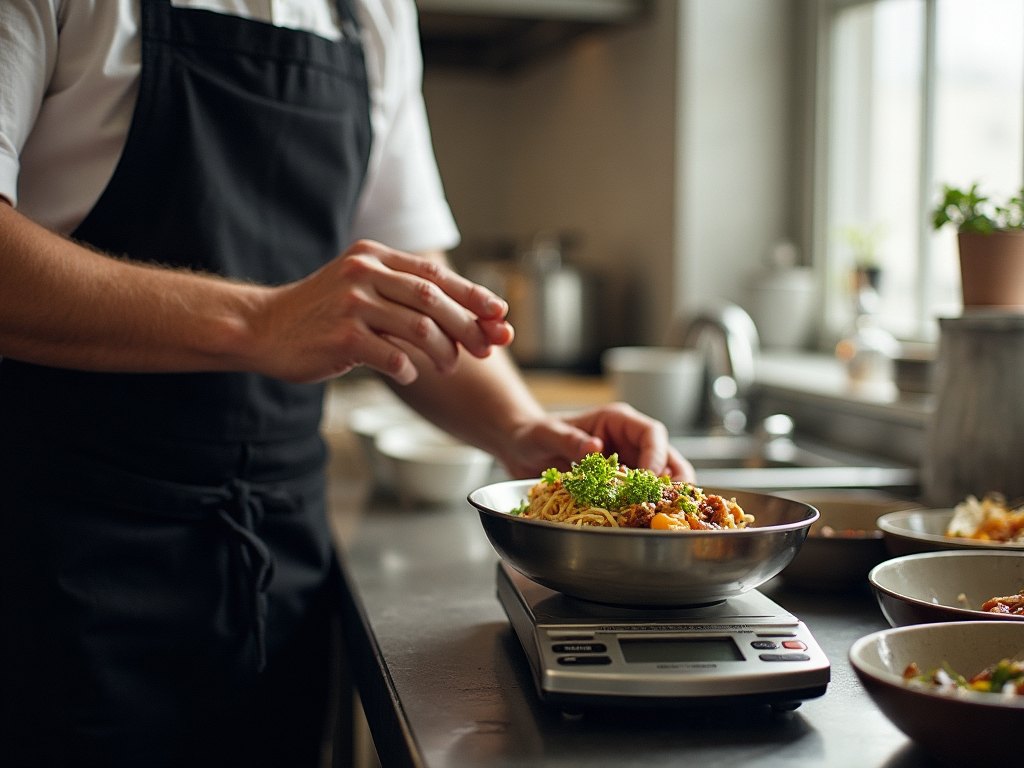
Watching ticket speed, crew headcount, and food prep waste at 12:15 PM reveals more than any glossy brochure.
What are the five numbers every buyer must check first in a food franchise FDD?
FranchiseMate tracks 2,251 food, coffee and quick-serve brands tied to 20,243 SBA loans. The rough average buy-in is $365K–$862K, the average Item 5 fee is $45,893, and the SBA unpaid rate is 7.36%. Before you fall for a menu, check five FDD numbers: Items 5, 6, 7, 19, and 20.
Think of these like gauges on a dashboard. One bad reading may not kill a deal, but you want to see all five before you sign anything.
Item 5 fees: The upfront franchise fee. Food brands average about $45,893, but the spread is wide.
Item 6 royalties: Royalty plus ad fund takes a slice of every sales dollar. Run the math on a slow February, not a grand-opening month.
Item 7 total cost: Build-out, equipment, and working cash. Study the high end, not the low end.
Item 19 earnings claims: If there isn't one, ask why. If there is, check how many stores it actually covers.
Item 20 closures: Count stores that closed, transferred, or were bought back over three years.
A strip-mall pizza shop and a coffee drive-thru can have the same big dream and very different Item 7 totals. All dollar figures here are rough public estimates that shift by city, lease, and each year's FDD update. Pull any brand's filing from the Free FDD Vault with 1-click email confirmation and read the red flags first.
How do Item 8 mandatory food suppliers and corporate rebates squeeze store margins?
Across 2,251 food brands and 20,243 SBA loans, the unpaid rate sits at 7.36%, and Item 8 supplier rules are one reason margins run thin. When you must buy from approved vendors and those vendors pay rebates to corporate, you may overpay for the same chicken.
Here's the Main-Street version. Say a sandwich shop must buy bread, meat, and sauces from one approved distributor. If that distributor pays corporate a rebate on every case, the brand earns money whether or not your store does.
That isn't always bad. Group buying can lower prices, and good brands share the savings. The trouble starts when you can't tell which kind of brand you're dealing with.
Read Item 8 slowly and look for these:
Percent of purchases: How much of your spending must come from approved suppliers?
Rebate disclosure: Does the brand state what it earns from suppliers?
Price comparison: Could you buy the same item locally for less if allowed?
Shortage rules: Who pays when a sole supplier runs out?
Then call current owners listed in Item 20 and ask their food cost percentage. A gap of a few points between owners can be the whole profit. Use the Stock-Style Screener to line up brands by cost and closure signals. Figures vary by market and FDD year.
Food Franchises vs. Other Sectors: Rough Buy-In Ranges and SBA Unpaid Rates
Sector
Brands Graded
SBA Loans
Avg Buy-In Range
SBA Unpaid Rate
Hotels & Real Estate
405
8,160
$6.2M–$19.6M
2.02%
Senior & Home Care
238
2,710
$111K–$237K
5.77%
Retail & Vending
317
2,636
$181K–$394K
6.60%
Food, Coffee & Quick-Serve
2,251
20,243
$365K–$862K
7.36%
Gyms, Health & Wellness
550
7,314
$252K–$561K
9.26%
Data Chart: When food + hourly labor ('prime cost') crosses 62%, a 6% royalty and 10% rent leave thin room for SBA loan payments. (Illustrative public-record aggregates; verify individual brand figures in the current FDD.)
Why do third-party delivery apps like DoorDash and Uber Eats wreck sloppy menus?
Delivery apps like DoorDash and Uber Eats commonly take roughly 15%–30% of each order, a public estimate that varies by plan and city. Food franchises already run a 7.36% SBA unpaid rate across 20,243 loans. Soggy fries, marked-up menus, and missing items hit sloppy menus hardest.
Free FDD & SBA Red-Flag Vault ($0)
Want the state-filed FDD & SBA Default Sheet for any brand?
Skip $99 FDD paywalls. Enter the brand (or budget) and your 5-digit zip code to unlock our Cost, SBA Payback & Red-Flag Report plus the archival state-filed FDD PDF whenever on file.
18,445 State FDD Filings Indexed: 1,750+ full FDD PDFs ready for $0 research.
14 Item-20 Owner Questions: Spot hidden store churn in two minutes.
In food franchises, keeping combined food and hourly labor ('prime cost') under 60% is the whole ballgame.
Stress-Test Food, Labor, Rent & Royalty Before Signing a Retail Lease
In food and studio storefronts, combined COGS + labor (“Prime Cost”) above 60% squeezes owner cash flow fast:
How do you audit a food franchise's real kitchen labor load during a Tuesday lunch rush?
Food, Coffee & Quick-Serve is the biggest sector in FranchiseMate's data: 2,251 brands, 20,243 SBA loans, and a 7.36% unpaid rate. Labor is where many of those stores bleed. To audit a kitchen, count the stations, the people each one needs at peak, and the minutes per ticket, then price that crew honestly.
Show up on a Tuesday at 11:45 a.m. and stand near the pickup window for 30 minutes. Count the people behind the line, the late tickets, and how often the manager jumps onto a station. A store that needs six people to survive a plain weekday rush gets squeezed when wages rise.
Then ask current owners one blunt question: "How many labor hours do you schedule each week, and what share of sales is payroll?" Many operators aim for a rough 25%–35%, but that swings by city and menu.
Station count: a simple assembly line needs fewer hands than a fryer, grill, and prep table.
Prep hours: ask who arrives at 5 a.m. and how long the chopping or baking takes.
Crew turnover: staff who quit every 90 days mean constant training pay.
Owner hours: if the model only works at 60 hours a week from you, price that in.
Plug payroll five points higher than the brand's pitch into the Affordability Calculator. If the store still works, that's a good sign. If it doesn't, the model is too tight.
What Item 20 closure and transfer signals warn that a hot food trend is fading?
FranchiseMate indexes 18,445 state FDD filings, and Item 20 is where fading food trends show up first. Watch three-year patterns: outlets closed, terminated, not renewed, or transferred. When closures and transfers climb while new openings slow, the trend is likely cooling, even if the brand's ads still look busy.
Read three years side by side, not one. A single bad year can be a few unlucky stores. Three rising years is a pattern. Compare net growth: openings minus closures, terminations, non-renewals, and stores the franchisor took back.
Transfers matter too. A few are normal, since people retire. But a spike in transfers two or three years after opening often means owners are selling to get out, sometimes at a loss. Call former owners from the Item 20 list, not just the happy ones the brand hands you.
Rising closures: a rough rule is to dig hard if closures grow two years in a row.
Stalled unit count: a flat total after a hot launch says demand cooled.
Franchisor buybacks: could mean support, or could hide distress. Ask why.
Copycat trends: boba, cookies, and smash burgers can flood the same street fast.
You can unlock free FDD and Red-Flag Reports for these brands in the Free FDD Vault with 1-click email confirmation. Some of FranchiseMate's 3,307 small-cap sleepers have thin Item 20 history, so lean harder on owner calls there.
How do landlord tenant-improvement allowances cut your out-of-pocket build-out bill?
Food and quick-serve buy-ins average roughly $365K–$862K in FranchiseMate's data, and build-out is a big slice. A landlord tenant-improvement (TI) allowance is cash or rent credit for finishing your space. A rough $20–$60 per square foot can trim your out-of-pocket bill, though terms vary by city and lease.
Here's the Main-Street math. On a 1,600-square-foot shop, a $40 allowance is about $64,000 you don't have to bring to the table. That's real money, but it's rarely a gift.
Landlords often win it back through higher rent or a longer lease, say ten years instead of five. Before you sign, make sure the franchisor's required build-out spec doesn't cost far more than the allowance covers.
Payment timing: many allowances pay after opening, so you float the construction cost first.
Rent start date: push for free rent while permits and equipment get approved.
Hood and grease trap: confirm who pays for ventilation and plumbing.
Lease length: don't sign a term that outlasts your franchise agreement.
Food Franchise Lease & Build-Out Checklist (rough guide; verify in your FDD and lease)
Item
Ask the Landlord or Franchisor
Why It Matters
TI allowance
How many dollars per square foot?
Cuts your cash at closing
Payment timing
Paid during build or after opening?
Avoids a cash gap
Free-rent period
How many months before rent starts?
Covers permit delays
Lease term
Does it match the franchise term?
Prevents a lease with no brand
Site approval
How long does corporate take?
Idle rent burns cash
Which food franchise red flags mean you should walk away immediately?
Across 2,251 food brands in FranchiseMate's data, the sector's 7.36% SBA unpaid rate shows the risk is real. Walk away if the franchisor hides closure data, pushes a signing deadline, or can't connect you with owners who'll talk. Three or more yellow flags together usually mean the deal isn't worth your savings.
Good brands welcome tough questions. Shaky ones get defensive. Pay attention to how the sales team treats your homework, because that's a preview of how corporate treats you after you've paid.
Pressure to sign fast: you're entitled to the FDD at least 14 calendar days before signing or paying.
Verbal income promises: if earnings claims aren't in Item 19, they don't count.
Owner list gaps: Item 20 contacts that are missing, disconnected, or all company-picked.
Heavy supplier lock-in: required vendors with rebates and no price protection.
Thin training: a one-week class for a complex kitchen is a bad sign.
A small brand isn't a flaw on its own, and many of FranchiseMate's 3,307 sleepers have open territories and fair terms. But small plus secretive is a bad combo.
Before you wire a deposit, pull the brand's free FDD and Red-Flag Report on FranchiseMate with 1-click email confirmation. Any numbers you find are rough estimates, and results are never guaranteed.
How does a real-world industry breakdowns buyer run these numbers step by step?
The average Food, Coffee & Quick-Serve buy-in runs $365K–$862K, with a $45,893 franchise fee and a 7.36% SBA unpaid rate across 20,243 loans. A smart buyer picks a midpoint near $613K, subtracts cash, estimates loan payments, then tests a 10% sales drop. These are rough public estimates, not promises.
Meet Maria, a made-up buyer with $150K in cash. She starts at the $613K midpoint, which includes the roughly $46K franchise fee. That leaves about $463K to borrow. On a 10-year loan at an assumed 10.5% rate, her payment lands near $6,250 a month, or about $75,000 a year. Rates, rent, and build-out costs change by city, so she plugs her own numbers into the Affordability Calculator.
Next, Maria opens the brand's FDD. She unlocks it free on FranchiseMate with 1-click email confirmation. In Item 19, she finds average sales of $1.1M per unit, and she treats that as a ceiling, not a promise. Her test budget: food and paper 30%, labor 28%, rent 9%, royalty and ad fund 8%, everything else 10%. That's 85%, leaving about $165K. After $75K in loan payments, roughly $90K remains before her pay and taxes.
Then she stress-tests. If sales slip 10% to $990K, she loses roughly $35K of margin, since food, labor, and royalties shrink only with sales. Her cushion falls to about $55K. Remember the 7.36% unpaid rate: roughly 1,490 of those 20,243 loans went unpaid. That's why Maria also checks the brand's closure counts in Free FDD Vault Items 20 and 21.
Start at the midpoint: Budget around $613K, then swap in the brand's Item 7 range.
Price the debt first: Know your yearly loan payment before you fall for the menu.
Stress-test sales: Ask what's left if revenue drops 10%.
Check closures: A 7.36% sector unpaid rate means outcomes vary widely, so verify each brand.
Educational Research & Estimates Notice (16 CFR Part 436): All startup ranges, SBA loan percentages, fee figures, and calculator outputs in this guide are rough public-record estimates for preliminary education only—not an offer to sell a franchise and not legal, CPA, or investment advice. Always verify current figures in the franchisor’s binding FDD with a franchise attorney and CPA.
Live FranchiseMate Scoreboard · Food, Coffee & Quick-Serve
5 Graded Franchises Matching This Guide (Check Open Zip & Unlock FDD)
Public-record estimates from FranchiseMate’s 12,107-brand database; verify all figures in the current FDD.
Check which A-graded franchises & free FDDs are open in your zip code.
Legacy portals only push ~350 ad-paying chains. Enter your 5-digit zip and cash tier to unlock the highest-graded open franchises and archival FDDs in your area.
3 things smart buyers check before wiring a dime
Archival State FDDs ($0): Audit Item 5, 6, 7, 19 & 20 filings without $99 document paywalls.
80,624 Federal SBA Loans: Verify real bank charge-off rates vs. the 3.8% U.S. franchise norm.
Open Territory Leverage: Compare 3 contenders in your zip code before speaking with sales reps.
100% Free Public-Record Guarantee: Zero fee, zero obligation, and zero unsolicited spam—your inquiry only goes to the specific providers you authorize, and 1-click unsubscribe or STOP works anytime.
Enter your 5-digit zip and cash range to check territory availability and unlock our executive FDD & SBA report (+ archival FDD PDF when on file) for $0.