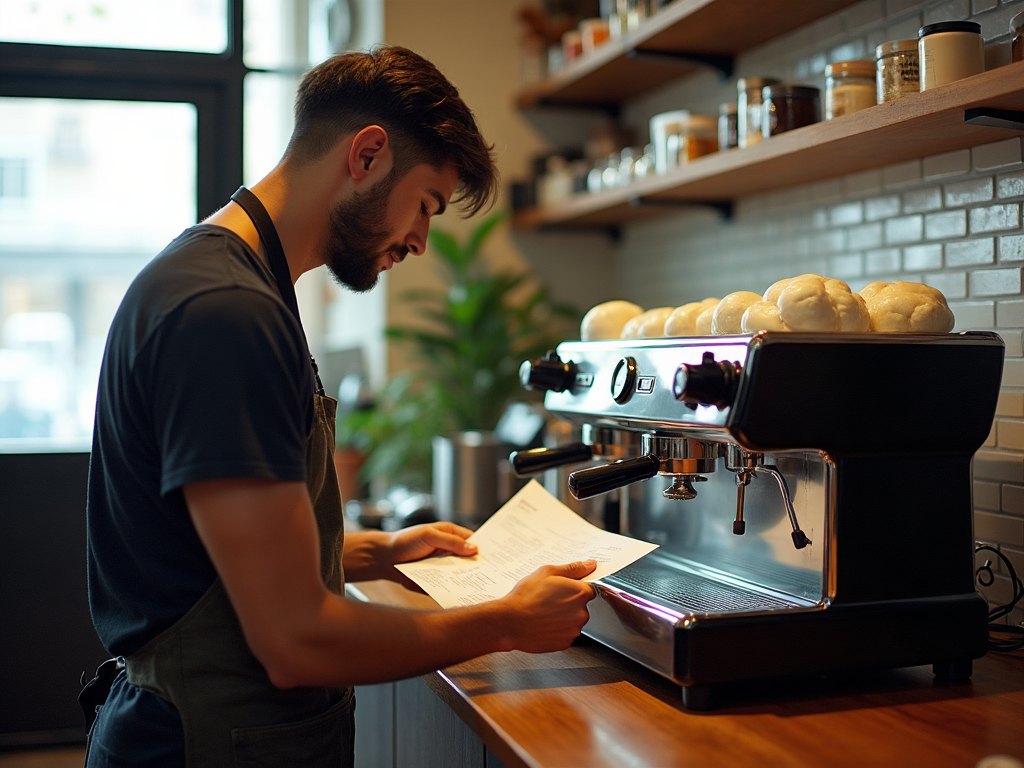
Drive-thru coffee cabins cut dining-room square footage in half while keeping morning commuter volume high.
How much does it really cost to open a coffee shop or drive-thru kiosk franchise?
FranchiseMate tracks 2,251 Food, Coffee & Quick-Serve brands, and they average a $365K–$862K buy-in range plus a $45,893 Item 5 franchise fee. Treat those as rough public estimates. Your city, lease, and the latest FDD can move them quite a bit, so read Item 7 closely.
Here's the plain version. A small drive-thru kiosk can land well under that average, while a full inline cafe with seating, a big lease, and a heavy buildout can land near the top. Coffee is a volume game, so both the cheap door and the pricey door can work, and both can fail.
Your total cost usually lands in four buckets:
Franchise fee: often $30K–$50K, in line with that $45,893 average.
Buildout or cabin: the biggest swing, driven by site and permits.
Equipment: espresso machines, grinders, ice makers, and POS.
Working capital: a few months of runway, which new owners often skimp on.
Remember that Item 7 is a range, not a promise. Brands list low and high estimates, and your landlord, local permit office, and contractor decide where you land. Ask for real numbers from owners in a town your size.
Lenders have seen plenty of these deals. FranchiseMate's SBA ledger shows 20,243 matched loans in this sector, with a 7.36% unpaid rate. That's a reason to stress-test your numbers, not to panic. Plug your own cash and loan terms into the Affordability Calculator before you fall for a glossy brochure.
Drive-thru coffee cabin vs. inline cafe vs. mobile espresso cart: how do Item 7 costs compare?
Against a sector average of $365K–$862K, drive-thru coffee cabins often run roughly $150K–$450K, inline cafes $300K–$860K, and mobile espresso carts $50K–$150K. These are rough public estimates, not quotes. Item 7 in each FDD shows the real range, and the gap between low and high is wider than most people expect.
Here's how each format tends to behave:
Drive-thru cabin: small footprint, lower rent, and fast lines. You'll pay for a pad-ready site, utility hookups, and a ground lease.
Inline cafe: seating, restrooms, and a bigger buildout push costs up. Rent and labor run higher too.
Mobile espresso cart: lowest entry cost, but fewer drinks per hour, weather swings, and event-permit hassle.
Picture a cabin on a busy commuter road. It might hand out a couple hundred drinks before 10 a.m. A cafe tucked into a quiet strip mall waits for walk-ins. Traffic counts and easy access matter as much as the sticker price.
Small-cap sleepers deserve a look too. FranchiseMate flags 3,307 brands with 1–65 units and open territories, and some regional coffee concepts sit in that group. Fewer units can mean more open territory, but also less proven data.
Want to compare brands side by side? Filter coffee concepts in the Stock-Style Screener by investment range and unit count.
Rough 2026 coffee franchise cost ranges by format (public estimates; verify in each FDD's Item 7)
Format
Rough All-In Range
Typical Footprint
Biggest Cost Driver
Mobile espresso cart or trailer
$50K–$150K
Vehicle or trailer
Vehicle and permits
Drive-thru cabin
$150K–$450K
300–800 sq ft
Site work and utilities
Inline cafe
$300K–$860K
1,200–2,500 sq ft
Buildout and lease
Sector average (Food, Coffee & Quick-Serve)
$365K–$862K
Varies
Buildout and equipment
Sector SBA unpaid rate
7.36%
20,243 matched loans
Thin margins and rent
Data Chart: Double-lane 600-sq-ft drive-thru cabins cut dining-room rent in half while capturing commuter volume. (Illustrative public-record aggregates; verify individual brand figures in the current FDD.)
Why do espresso plumbing, water filtration, and drive-thru curb cuts surprise new owners?
The Food, Coffee & Quick-Serve sector carries a 7.36% SBA unpaid rate, and plenty of trouble starts at the site, not the menu. Plumbing, water filtration, and drive-thru curb cuts can each add roughly $5K–$75K in rough estimates, and many owners only see those bills after the lease is signed.
Espresso machines need hot water, cold water, drains, and the right power. A space that used to be a clothing store may have none of it. Opening floors to run drain lines and add code-required fixtures can eat budget fast.
Water is the quiet killer. Hard water scales up boilers and ruins taste, so most brands require filtration or reverse-osmosis systems. Skip it, and you'll pay for repairs and bitter shots.
Drive-thru sites add their own twists:
Curb cuts: cities may require traffic studies and approvals before a new entry.
Stacking space: you need room for 8–12 cars, or the line spills into the street.
Utilities: bringing power, water, and sewer to a bare pad adds up.
Permits: timelines can stretch for months while rent keeps running.
Always get a contractor bid on your actual site before signing. Then check the franchisor's site-cost notes in the Free FDD Vault. You can unlock free FDD & Red-Flag Reports right on FranchiseMate with 1-click email confirmation.
What milk, bean, and cup COGS percentages separate thriving coffee bars from break-even shops?
In rough public estimates, healthy coffee bars keep total cost of goods near 24%–30% of sales, while break-even shops creep toward 33%–38%. Milk often eats 8%–12% of sales, beans 5%–9%, and cups, lids, and sleeves another 3%–5%. Small leaks matter here, since the sector's SBA unpaid rate is 7.36%.
Think of one latte. The cup, lid, and sleeve might cost 30 to 50 cents, the milk 50 to 80 cents, and the shots 40 to 70 cents. On a $5.50 drink, that's where margin lives or dies.
Here's what tends to separate the two groups:
Waste control: measured pours, pitchers with fill lines, and daily milk counts.
Drink mix: cold brew, flavors, and add-ons often carry stronger margins.
Supplier rules: Item 8 may force you to buy from approved vendors at set prices.
Pricing power: oat and almond milk cost more, so charge for them.
Look for Item 19 sales data in the FDD, but read it carefully. It shows what some outlets earned, not what you will earn. Ask current owners for their last three months of COGS, in their own words. Numbers from real shops beat brochure averages every time.
Free FDD & SBA Red-Flag Vault ($0)
Want the state-filed FDD & SBA Default Sheet for any brand?
Skip $99 FDD paywalls. Enter the brand (or budget) and your 5-digit zip code to unlock our Cost, SBA Payback & Red-Flag Report plus the archival state-filed FDD PDF whenever on file.
18,445 State FDD Filings Indexed: 1,750+ full FDD PDFs ready for $0 research.
14 Item-20 Owner Questions: Spot hidden store churn in two minutes.
Commercial espresso water filtration, floor drains, and 200-amp electrical service add $35K–$75K to cafe build-outs.
Stress-Test Food, Labor, Rent & Royalty Before Signing a Retail Lease
In food and studio storefronts, combined COGS + labor (“Prime Cost”) above 60% squeezes owner cash flow fast:
Why does the 6 AM to 10 AM commuter rush decide 70% of a coffee franchise's daily sales?
FranchiseMate tracks 2,251 food, coffee, and quick-serve brands, and their 20,243 SBA loans show a 7.36% unpaid rate. That thin margin is why mornings matter: many drive-thru coffee operators see roughly 60%–70% of daily sales land between 6 AM and 10 AM, though your own FDD and traffic count will differ.
Treat that 70% figure as a rule of thumb, not a promise. Some shops land nearer 55%, and a few sit above 70%. Either way, if your line stalls at 7:45 AM, the whole day suffers.
Picture a restaurant whose front door is only wide open for four hours. Milk, cups, syrups, and staff all have to be staged before the first headlight shows up. Hire for speed and consistency, not just a friendly smile.
Going-to-work side: Sites on the morning-commute side of the road usually beat the drive-home side.
Ticket speed: Every extra 30 seconds can send a car on to the shop down the street.
Stacking room: Space for roughly eight to ten cars keeps the line off the main road.
Afternoon fillers: Cold drinks, energy drinks, and food help fill the 1 PM–5 PM dip.
Before you buy, open the Item 19 in the Free FDD Vault and look for daypart or average-ticket data. If a brand shows only top-store numbers, ask what a typical morning looks like in a mid-size town.
How do Scooter's, Biggby, PJ's, and Ellianos compare on buy-in and SBA loan payback?
Food, coffee, and quick-serve franchises carry a $365K–$862K average buy-in range, a $45,893 average Item 5 fee, and a 7.36% SBA unpaid rate across 20,243 loans. Scooter's, Biggby, PJ's, and Ellianos should each be measured against that yardstick, because the real differences hide in each brand's Item 7, Item 19, and loan history.
We're not printing a brand-by-brand price list here. Item 7 shifts with every FDD update, format, and city, and old numbers on a blog can mislead you. Treat anything you read, including ours, as a rough estimate until you've checked the current filing.
What stays useful is a side-by-side method. Line up the four brands, then compare the same five things in each:
Item 5 and Item 6: Compare the upfront fee against the sector's $45,893 average, then check royalty and ad fund percentages.
Item 7 spread: A wide low-to-high gap often means big site-cost swings, especially on drive-thru builds.
SBA loan history: Compare each brand's loan count and unpaid rate in our 80,624-loan ledger against the 7.36% sector average.
SBA directory status: Confirm the brand is among the 2,607 eligible names, which often makes lender talks easier.
Item 20 trends: Look at closures, transfers, and non-renewals over three years.
Payback is the trickiest piece. Nobody can promise it, because it depends on your rent, your traffic, and your labor. Run each brand through the Stock-Style Screener to see how they stack up side by side.
How much cash down and working capital do banks require for a first-time cafe operator?
On the $365K–$862K average food and coffee range, banks often want roughly 10%–30% of the project in cash, about $36K to over $250K, plus working capital, though terms vary by lender. FranchiseMate's ledger of 80,624 matched SBA franchise loans shows lenders fund franchises often, but they price risk, especially at a 7.36% unpaid rate.
Cash down is only half the story. Lenders usually want your equity injection in real, documented cash, not borrowed money. They'll also look at credit, liquid assets, and any food or retail management background.
Then comes working capital, the money that keeps the lights on before the line forms. Many first-time cafe owners plan a cushion for roughly three to six months of payroll, rent, and inventory, though your lease and ramp-up will change that.
Here's a Main-Street example. A first-timer eyeing a $500K drive-thru build might need roughly $50K–$150K in cash at the table, plus a separate reserve, depending on the lender. Come up short, and the bank may ask for a co-signer or a smaller project.
Expect a personal guarantee, too. Test your own numbers in the Affordability Calculator before you sit down with a banker.
What 5 Item 19 and Item 12 checks must you run before signing a 10-year coffee corner lease?
FranchiseMate indexes 18,445 state FDD filings, with 1,750+ full PDFs in the free vault. Before you sign a 10-year coffee lease, run five checks: Item 19 sample size, Item 19 format match, Item 12 exclusive radius, Item 12 delivery and online carve-outs, and a lease that matches your franchise term.
Here are the five checks in plain English. Run them in order, and don't let a landlord's deadline rush you.
Sample size: Item 19 should say how many units are included. A handful of top stores tells you little.
Format match: Make sure the numbers cover drive-thru cabins if you're building one, not just inline cafes.
Exclusive radius: Item 12 should spell out your protected area, or say plainly that there isn't one.
Delivery and online carve-outs: Check whether the brand can sell app orders, packaged coffee, or grocery products inside your area.
Lease-term match: Line up the lease with your franchise term, renewal rights, and an exit clause if permits or approvals fall through.
A 10-year lease can outlast your franchise agreement, your loan, and even the brand's popularity. If the sales data is thin or the territory is leaky, a long lease turns a small problem into a big one.
You can unlock free FDD and Red-Flag Reports for coffee brands right here on FranchiseMate with 1-click email confirmation. Then take the filing and your lease draft to a franchise attorney before you sign anything.
Educational Research & Estimates Notice (16 CFR Part 436): All startup ranges, SBA loan percentages, fee figures, and calculator outputs in this guide are rough public-record estimates for preliminary education only—not an offer to sell a franchise and not legal, CPA, or investment advice. Always verify current figures in the franchisor’s binding FDD with a franchise attorney and CPA.
Live FranchiseMate Scoreboard · Coffee, Bakery & Beverage Franchises
5 Graded Franchises Matching This Guide (Check Open Zip & Unlock FDD)
Public-record estimates from FranchiseMate’s 12,107-brand database; verify all figures in the current FDD.
Check which A-graded franchises & free FDDs are open in your zip code.
Legacy portals only push ~350 ad-paying chains. Enter your 5-digit zip and cash tier to unlock the highest-graded open franchises and archival FDDs in your area.
3 things smart buyers check before wiring a dime
Archival State FDDs ($0): Audit Item 5, 6, 7, 19 & 20 filings without $99 document paywalls.
80,624 Federal SBA Loans: Verify real bank charge-off rates vs. the 3.8% U.S. franchise norm.
Open Territory Leverage: Compare 3 contenders in your zip code before speaking with sales reps.
100% Free Public-Record Guarantee: Zero fee, zero obligation, and zero unsolicited spam—your inquiry only goes to the specific providers you authorize, and 1-click unsubscribe or STOP works anytime.
Enter your 5-digit zip and cash range to check territory availability and unlock our executive FDD & SBA report (+ archival FDD PDF when on file) for $0.